Board Form Concrete

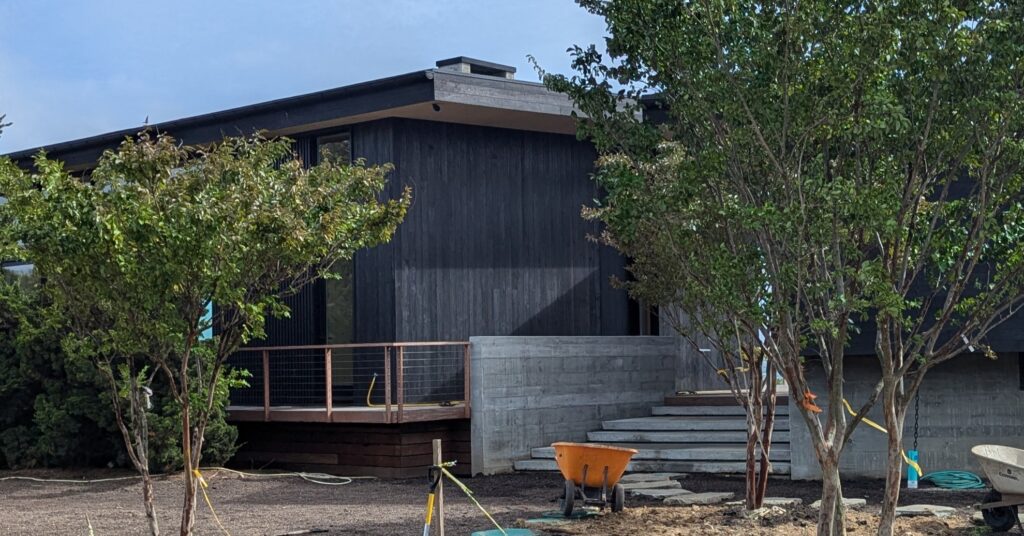
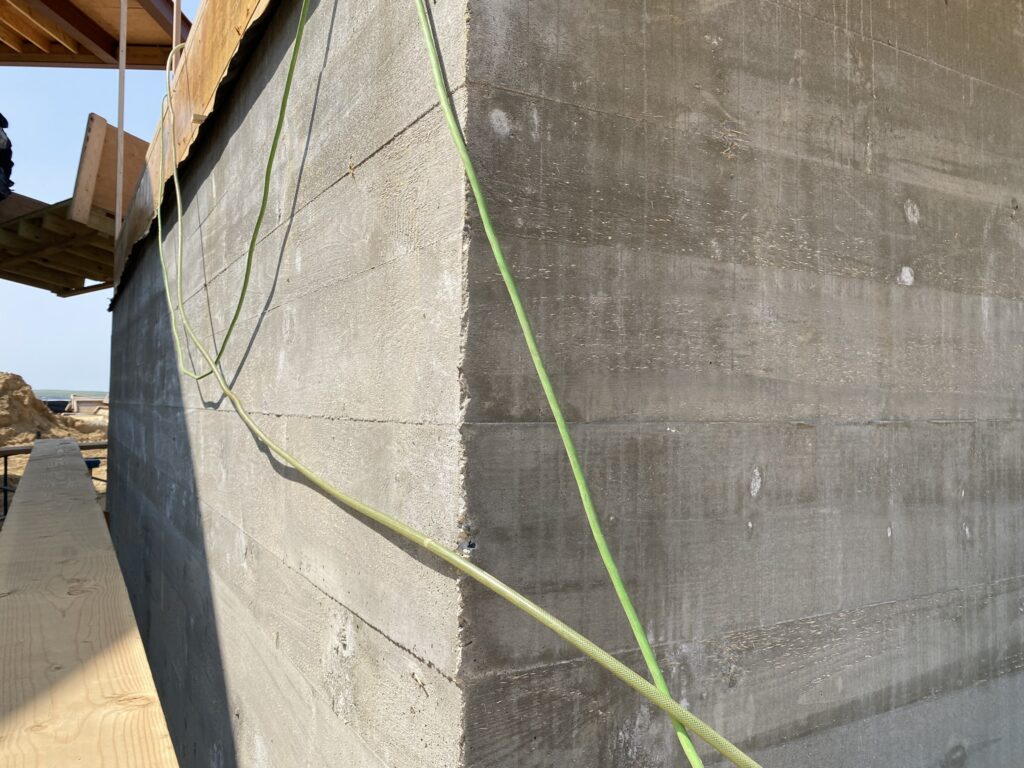
Board-formed concrete is a method where wooden boards are used as molds or formwork for pouring concrete, leaving behind imprints of the wood grain on the finished surface. For a project on Shelter Island, we deliberately chose this approach to echo the natural textures found in the nearby environment, evoking a sense of rugged beauty reminiscent of weathered driftwood or aged timber.

The process begins with selecting the right type of wood for the formwork. We opted for simple pine boards, chosen specifically for their ability to impart a subtle yet distinct grain pattern onto the concrete. Before pouring, the boards are treated with a thin layer of lime to aid in releasing them from the cured concrete, ensuring the preservation of the intricate wood grain impressions.
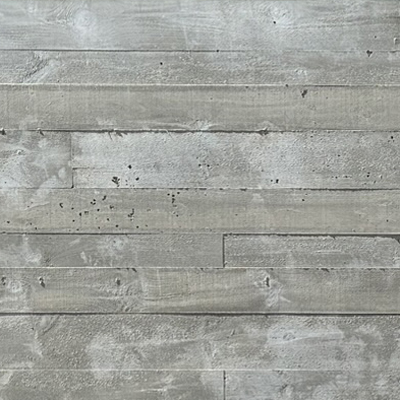
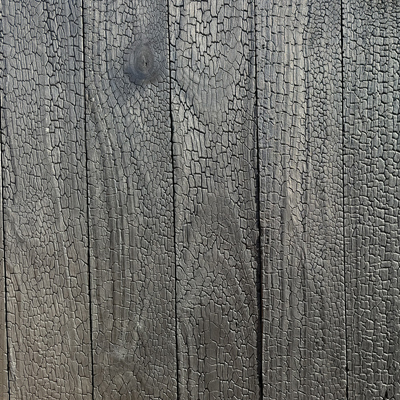
The result is a concrete surface that not only bears the marks of its formwork but also captures a sense of organic texture and irregularity, akin to the bark of a tree. This naturalistic quality contrasts with the typically smooth and uniform appearance of conventional concrete, offering a tactile and visually dynamic finish.

In tandem with board-formed concrete, we incorporated another material, shou sugi ban (charred wood), into this island residence. This material choice was driven by its resilience to coastal conditions, where constant exposure to sea air and weather necessitates durable and low-maintenance materials. Shou sugi ban’s charred surface creates a protective layer that enhances its longevity and aesthetic appeal, complementing the textured presence of the board-formed concrete.
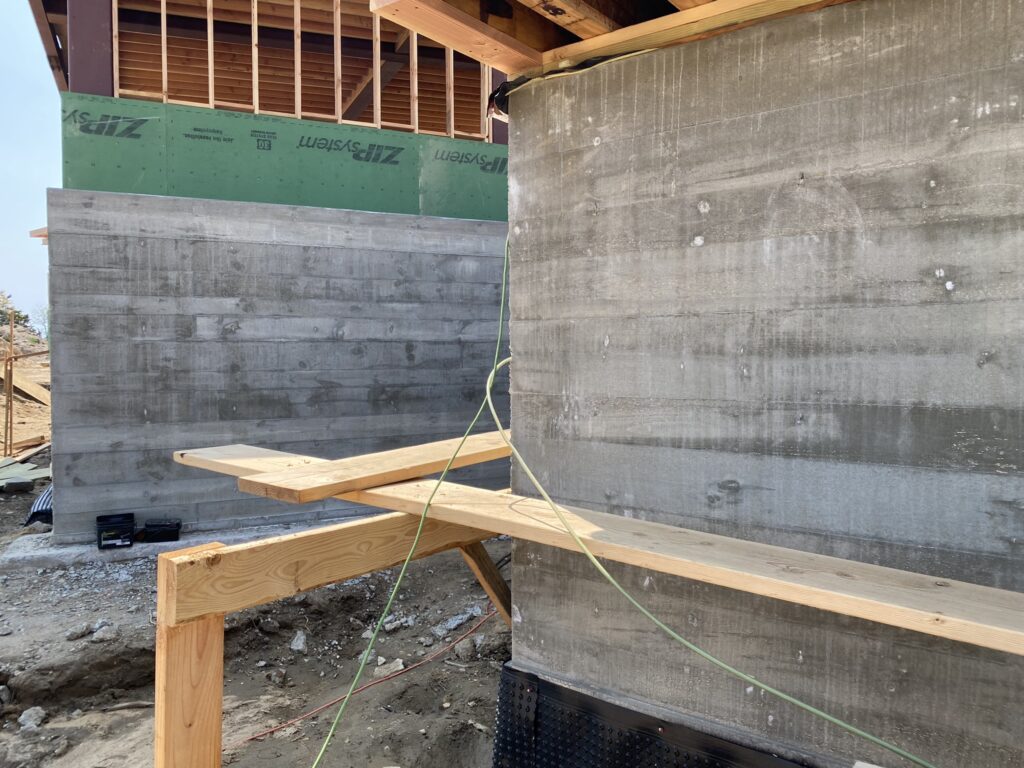
The interplay between these materials—the raw, textural quality of board-formed concrete and the weather-resistant integrity of shou sugi ban—creates a powerful contrast. Each material responds uniquely to light and weather conditions, evolving over time to enrich the building’s relationship with its coastal setting.
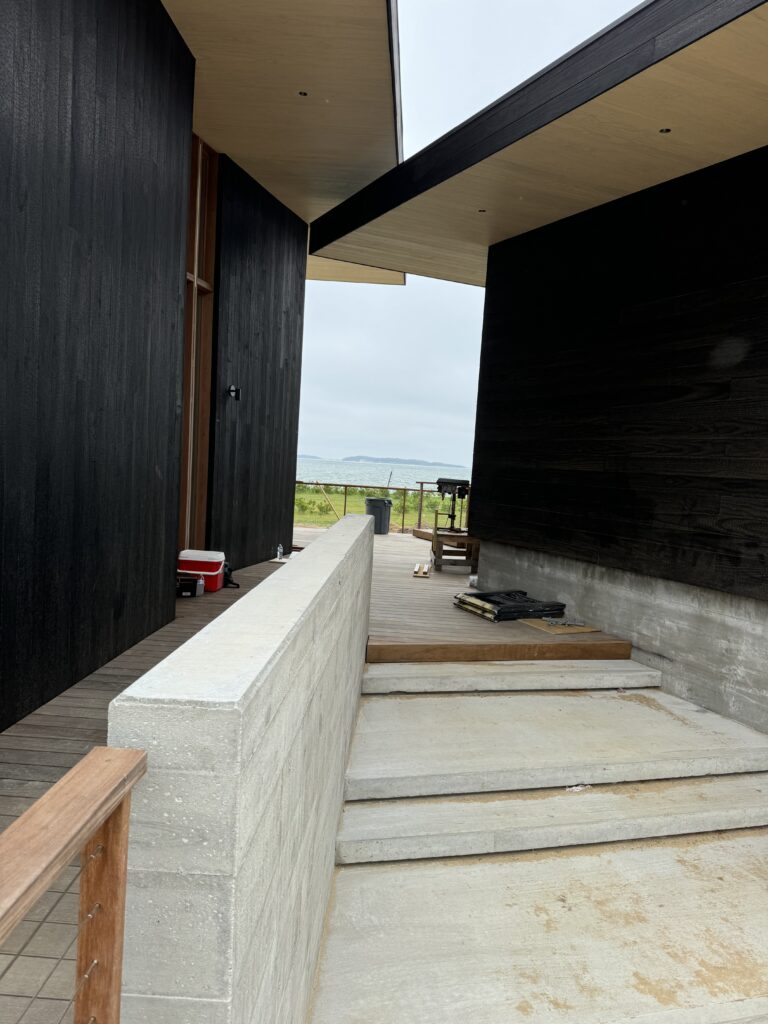
Our firm’s thoughtful consideration of materiality and process extends beyond functional requirements to evoke a sense of place and permanence. By embracing the inherent qualities of board-formed concrete and shou sugi ban, the Shelter Island project not only meets practical demands but also celebrates the dynamic beauty of materials shaped by nature and crafted with meticulous intention. This holistic approach underscores the firm’s commitment to creating architecture that resonates harmoniously with its environment while embodying enduring craftsmanship and aesthetic integrity.